
Services
See how scalp micropigmentation is built, find the treatment that matches your hair loss, and compare all four side by side.
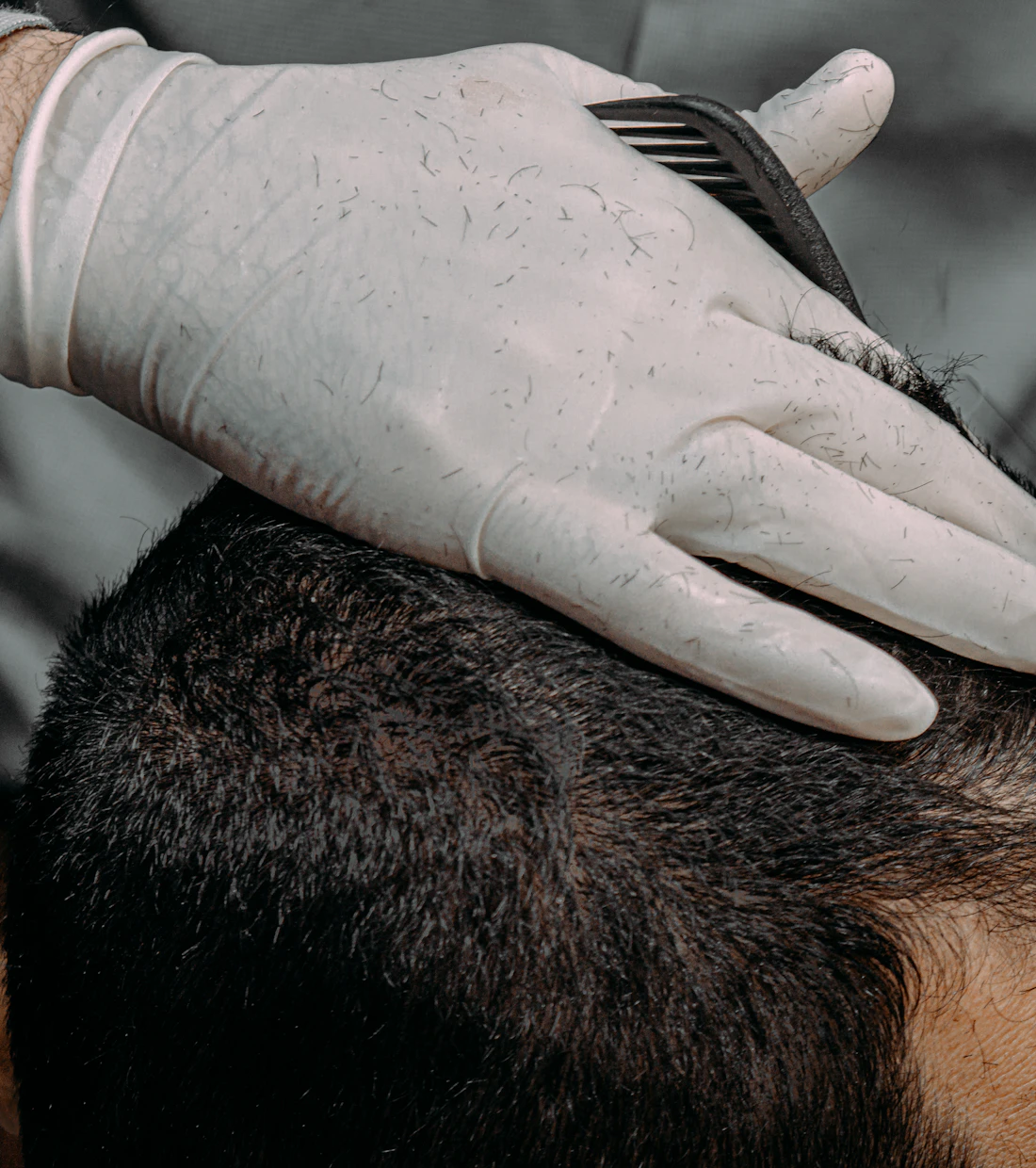
How SMP works
Watch density build across three sessions, magnify the impressions, and preview the pigment on different skin tones.
How it works
Illustrative only. The number of sessions varies by person and is planned at your consultation.
Impressions vary in size, the way real follicles do.
Slightly irregular placement avoids a flat, printed look.
Shade matched to your skin and hair, never a harsh black.
Placed for your face and age, with a soft, feathered edge.
Service finder
Three quick questions for a suggested starting point. Your consultation confirms the plan.
Your suggestion
Your suggested service appears here, with a link straight to the booking form.
Your answers point to the front edge. A new hairline is designed for your face and age, agreed with you before any pigment goes in.
You still have plenty of hair, so the aim is to stop the scalp showing through by adding the look of density between existing hairs.
Density work can sit beneath longer hair; Anthony will tell you honestly how it will look at your length.
With little hair left in the area, a full design from hairline to crown recreates the look of a closely shaved head.
Full coverage suits a closely shaved look, so it's worth talking through whether that's right for you.
Pigment blended into and around the scar can make it far less noticeable. Anthony will look at the scar first to confirm it's suitable.
Compare
What each treatment covers, how it works with your own hair, and the look it's designed to create.
PlaceholderSession counts and timings will be added once Anthony confirms them. Every plan is still tailored at consultation.
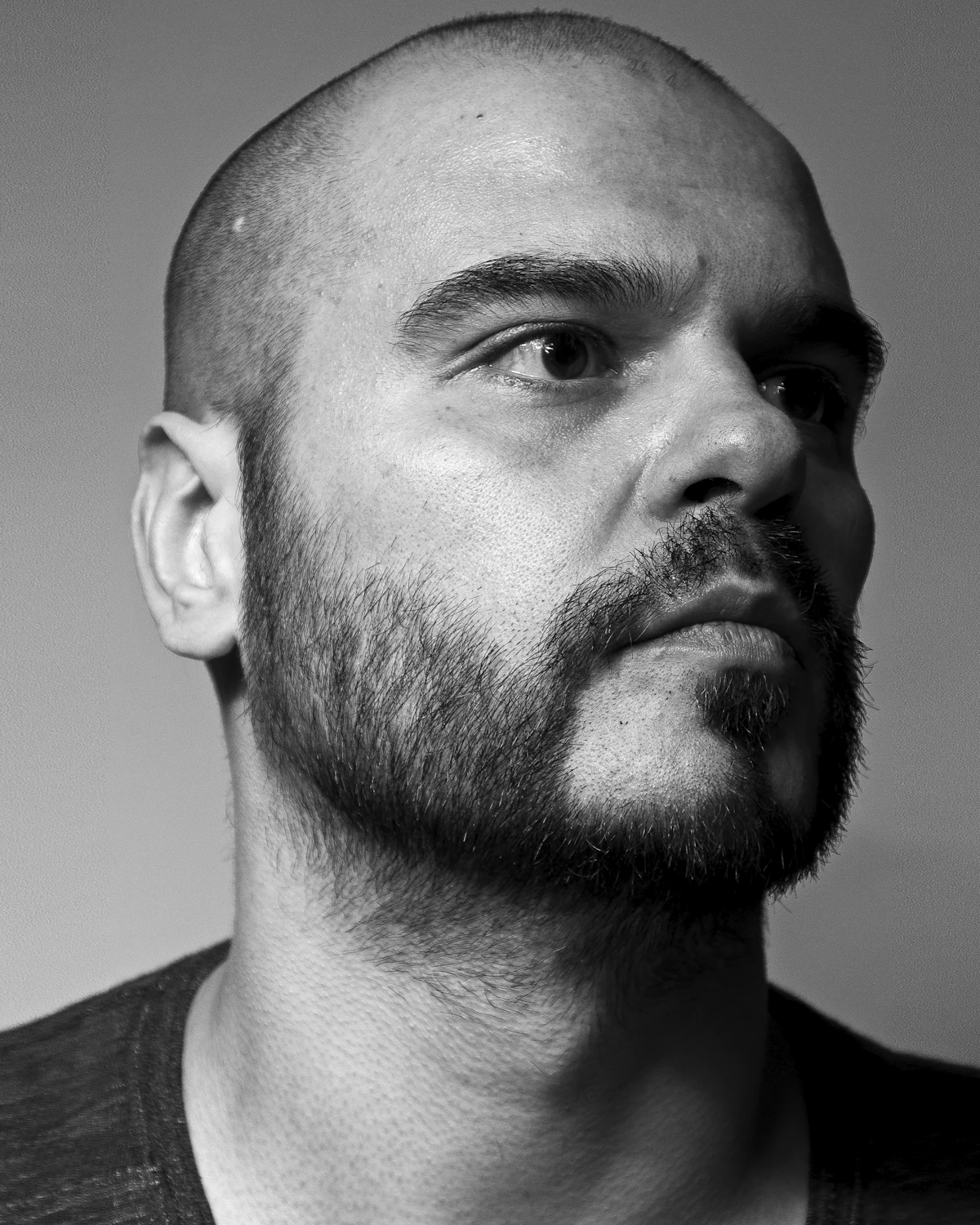
Rebuild the front edge, from temple to temple, in a shape that suits the face you have today.
Your new hairline is drawn and agreed with you before any pigment goes in. Its height, its shape and the softness of its edge are planned around your face, your age and the look you want, so it frames your face instead of drawing attention to itself.
Common questions
It shouldn't. The edge is deliberately softened and slightly irregular, the way a natural hairline is, and its height is chosen to suit your age as well as your face.
Yes. The hairline is drawn on and agreed with you before any pigment goes in, and it can be adjusted until you're happy with it.
Talk it through at your consultation. A hairline can be designed with future changes in mind, and density can be added behind it later if it's ever needed.
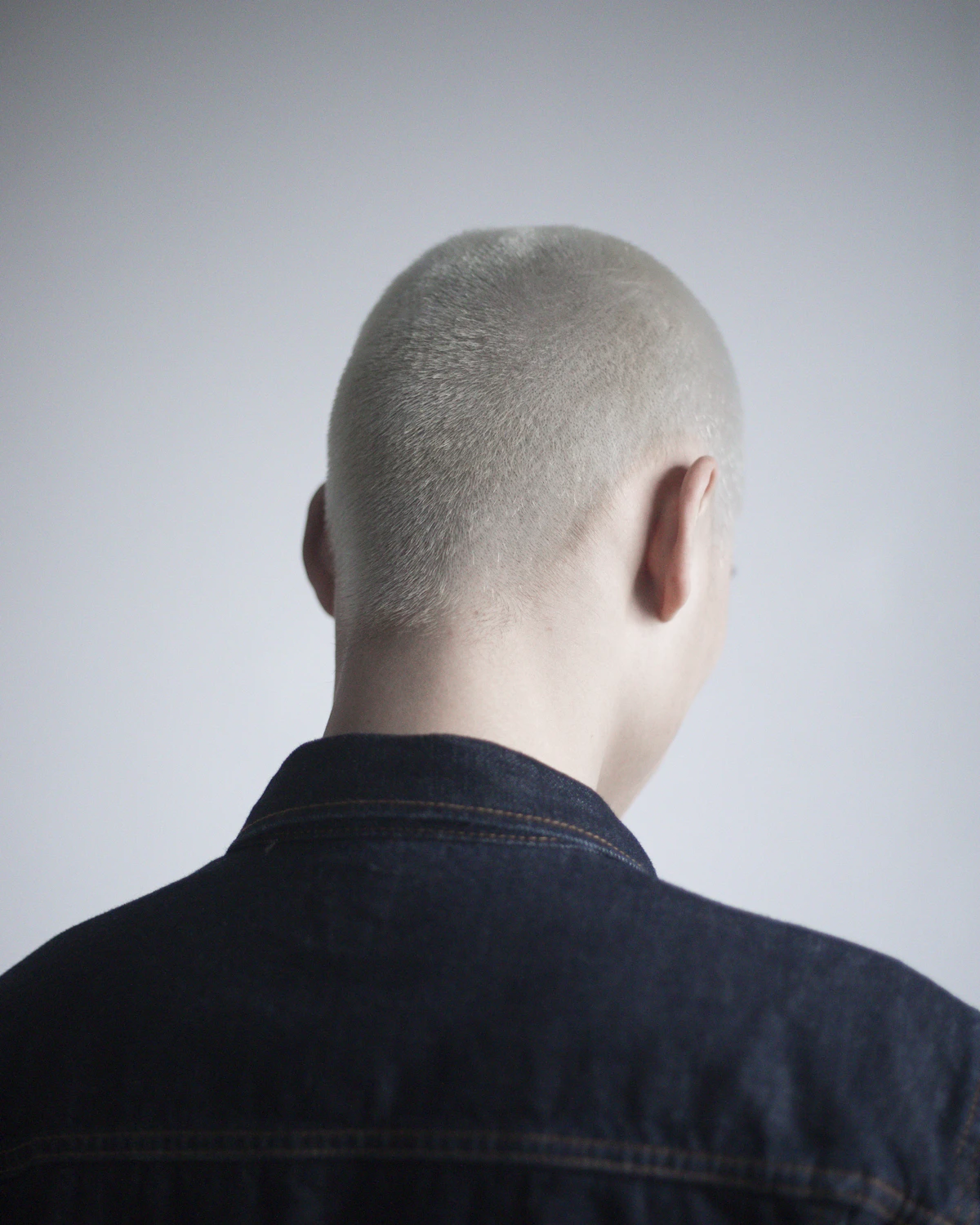
Fill in the look of thinning areas so the scalp stops showing through, while you keep the hair you have.
Fine pigment impressions are placed between your existing hairs, which softens the contrast between hair and scalp. Density is planned area by area, whether that's the crown, the top or along your part, and we'll talk through what's realistic for the length you like to wear your hair.
Common questions
Not necessarily. Density work is placed between existing hairs, so many people keep some length. Anthony will tell you honestly what will look best at the length you prefer.
No. The impressions are tiny, separate dots matched to your hair color and skin tone, so they read as the shadow of hair rather than color.
Many people do. Mention anything you're using or planning at your consultation so your plan takes it into account.
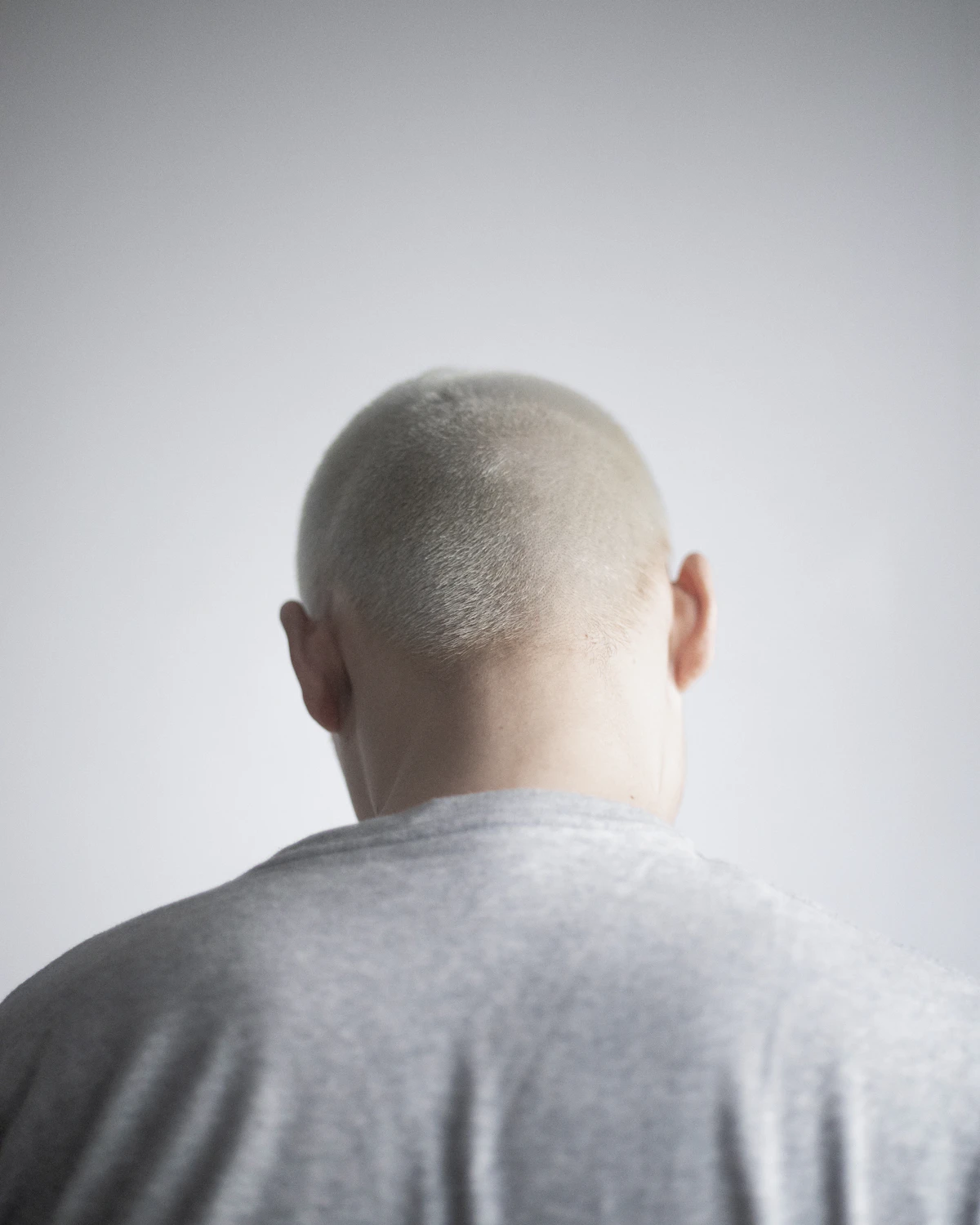
A full, closely cropped look across the whole scalp, designed from the hairline back to the crown.
For advanced or complete hair loss, SMP recreates the look of a closely cropped head of hair. The hairline, the density and the way it blends at the sides and back are designed for you, so the result reads as a fresh buzz cut rather than a uniform pattern.
Common questions
Done well, no. Varied dot sizes, careful spacing and a pigment tone matched to your skin are what make it read as a closely shaved head.
Yes. Full coverage recreates the look of a buzz cut, so most clients shave every day or two to keep the result crisp.
Some adjustment is possible, but it's best to agree a hairline you're happy with from the start. That's exactly what the design stage is for.
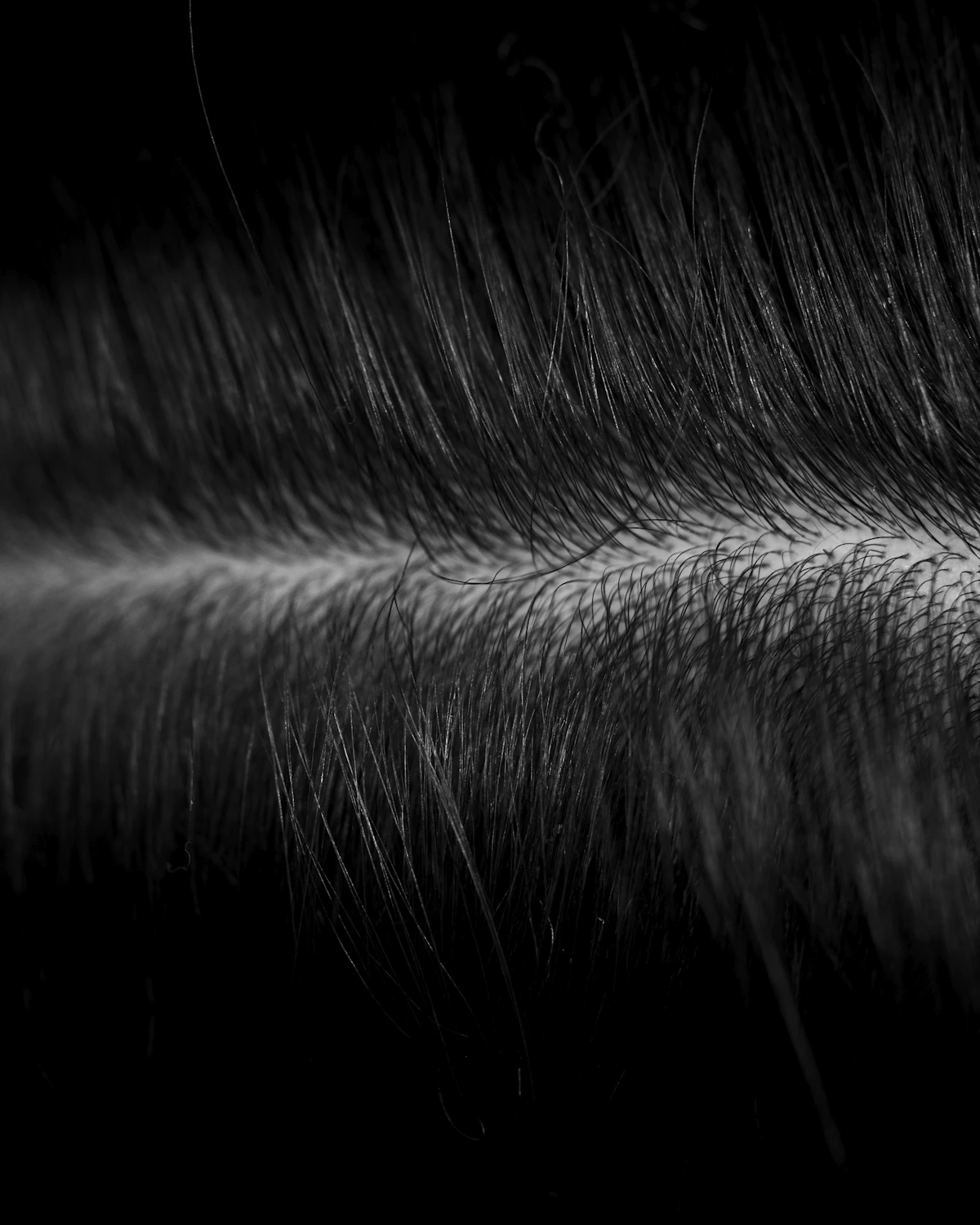
Blend a scar into the hair around it so it's far less noticeable at a glance.
Pigment is placed into and around the scar and blended into the surrounding area, so it stands out less against the hair around it. Every scar is different, so Anthony looks at yours first and is honest about what SMP can and can't achieve.
Common questions
Many flat, fully healed scalp scars can be made less noticeable. Raised or very recent scars may not be suitable, so Anthony looks at yours before recommending anything.
The aim is to reduce the contrast so it's much less noticeable. How well a scar blends depends on its size, texture and how the skin takes pigment.
The scar needs to be fully healed first. If you've had recent surgery, check with your doctor and mention it when you book.